
Introduction
In today’s competitive global economy, businesses need professionals who possess strong financial management, strategic decision-making, ethical values, and technological expertise. Organizations across industries are increasingly seeking finance professionals who can drive business growth while adapting to rapidly changing market conditions.
The US CMA (Certified Management Accountant) certification has become one of the most sought-after professional credentials in management accounting. It enhances career prospects, improves earning potential, and prepares professionals for leadership positions in finance and accounting worldwide.
What is a Certified Management Accountant (CMA)?
The Certified Management Accountant (CMA) is a globally recognized professional certification offered by the Institute of Management Accountants (IMA), USA. The certification focuses on management accounting, financial planning, strategic decision-making, performance management, and professional ethics.
The CMA credential prepares finance professionals for leadership roles by developing expertise in financial analysis, budgeting, business strategy, cost management, risk management, and corporate decision-making.
Key Aspects of CMA Certification
1. Two-Part Examination
The CMA examination consists of two parts:
- Part 1: Financial Planning, Performance, and Analytics
- Part 2: Strategic Financial Management
The syllabus covers budgeting, financial planning, cost management, performance measurement, investment decisions, risk management, and professional ethics.
2. Eligibility Requirements
- Bachelor’s degree from an accredited institution or an equivalent professional accounting qualification.
- Minimum of two years of professional experience in management accounting or financial management.
3. Global Recognition
The CMA certification is recognized worldwide and is highly valued by multinational corporations, making it an excellent qualification for professionals seeking international career opportunities.
4. Career Benefits
The CMA certification prepares candidates for senior finance roles, including Financial Manager, Controller, Chief Financial Officer (CFO), Management Accountant, and Financial Analyst.
5. Continuing Professional Education (CPE)
Certified CMAs must complete Continuing Professional Education (CPE) requirements to maintain their certification and stay updated with evolving accounting standards, financial regulations, and industry best practices.
Why is the CMA Certification in Demand?
1. Global Recognition and Career Flexibility
The CMA qualification is accepted in numerous countries and enables professionals to work across industries such as finance, banking, manufacturing, healthcare, consulting, and information technology.
2. Expertise in Financial Management
CMAs possess specialized skills in budgeting, financial planning, cost management, business analysis, and strategic decision-making. These competencies make them valuable assets for organizations seeking sustainable financial growth.
3. Connecting Finance with Business Strategy
Unlike traditional accounting roles, CMAs actively participate in business planning and strategic decision-making by converting financial data into actionable business insights.
4. Strong Ethical Standards
The CMA certification emphasizes ethics, governance, and financial transparency, helping organizations maintain compliance and strengthen stakeholder confidence.
5. Higher Salary Potential
CMA professionals often receive higher compensation than their non-certified peers because they are qualified for senior management positions such as Financial Controller, Finance Manager, CFO, and Business Consultant.
6. Future-Proof Career Opportunities
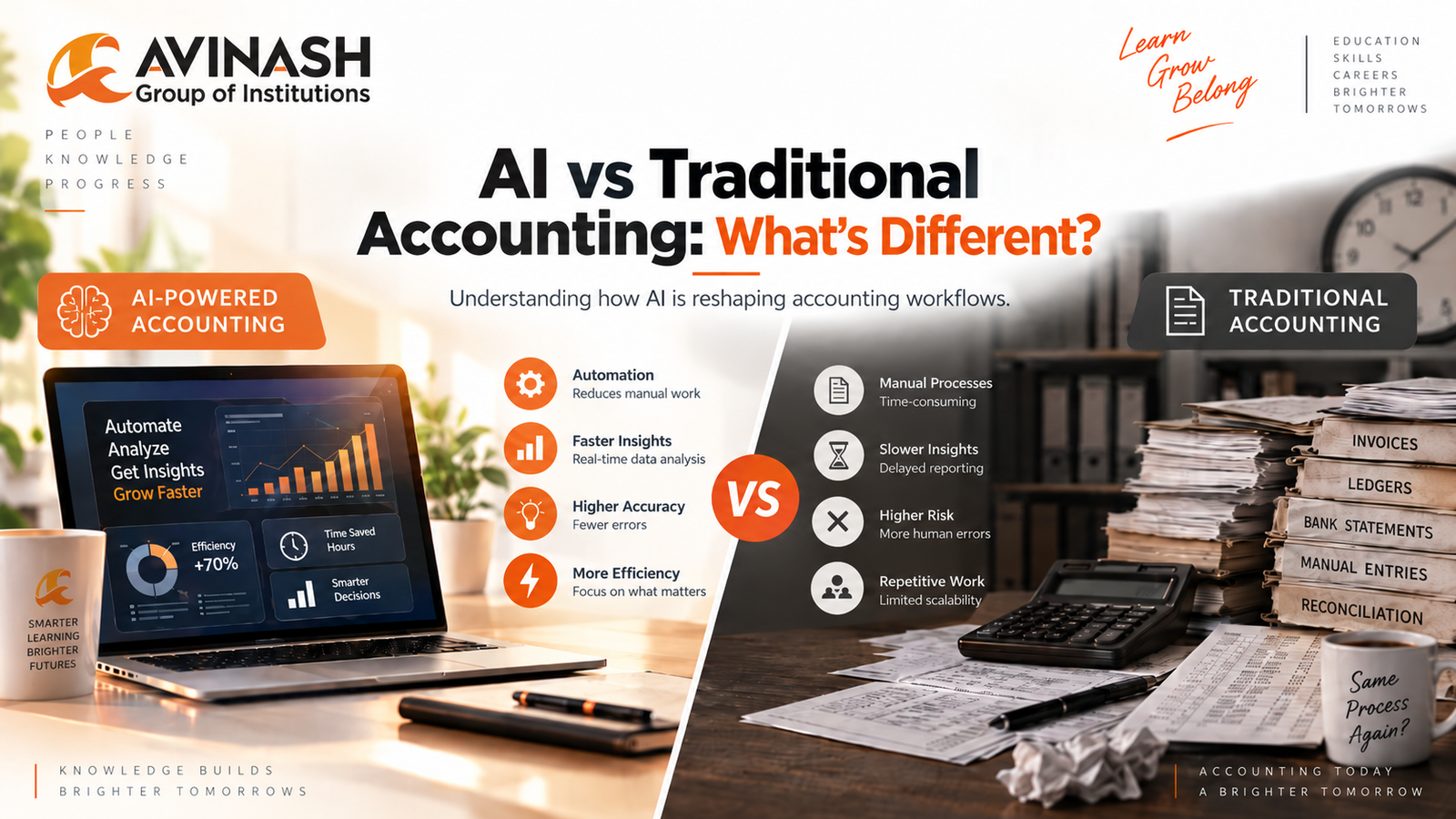
As Artificial Intelligence (AI), automation, and data analytics transform the finance industry, organizations increasingly seek professionals who can interpret financial information, support strategic decisions, and work alongside emerging technologies. This makes CMA-certified professionals well-positioned for long-term career growth.
Career Opportunities for CMA Professionals
A CMA certification opens doors to several high-level finance and accounting positions, including:
- Financial Manager: Managing an organization’s financial planning, reporting, and investment activities.
- Chief Financial Officer (CFO): Leading the overall financial strategy and ensuring organizational growth.
- Financial Controller: Supervising accounting operations and financial reporting.
- Cost Accountant: Managing costs and improving operational efficiency.
- Budget Analyst: Preparing and monitoring organizational budgets.
- Corporate Treasurer: Managing cash flow, investments, and financial risk.
- Internal Auditor: Evaluating internal controls and ensuring regulatory compliance.
- Financial Analyst: Analyzing financial performance and supporting business decisions.
- Management Consultant: Advising organizations on financial strategy and operational improvements.
- Accounting Manager: Leading accounting teams and ensuring accurate financial reporting.
Conclusion
The US CMA certification is an excellent choice for professionals who aspire to build successful careers in management accounting and financial leadership. Its global recognition, industry relevance, and strong focus on strategic finance make it one of the most valuable certifications for today’s business environment.
Avinash College of Commerce offers comprehensive CMA coaching with experienced faculty, structured study materials, industry-focused training, and personalized mentoring. With expert guidance and a student-centric learning approach, Avinash College helps aspiring CMA professionals build the knowledge and confidence required to excel in the certification examinations and achieve long-term career success.