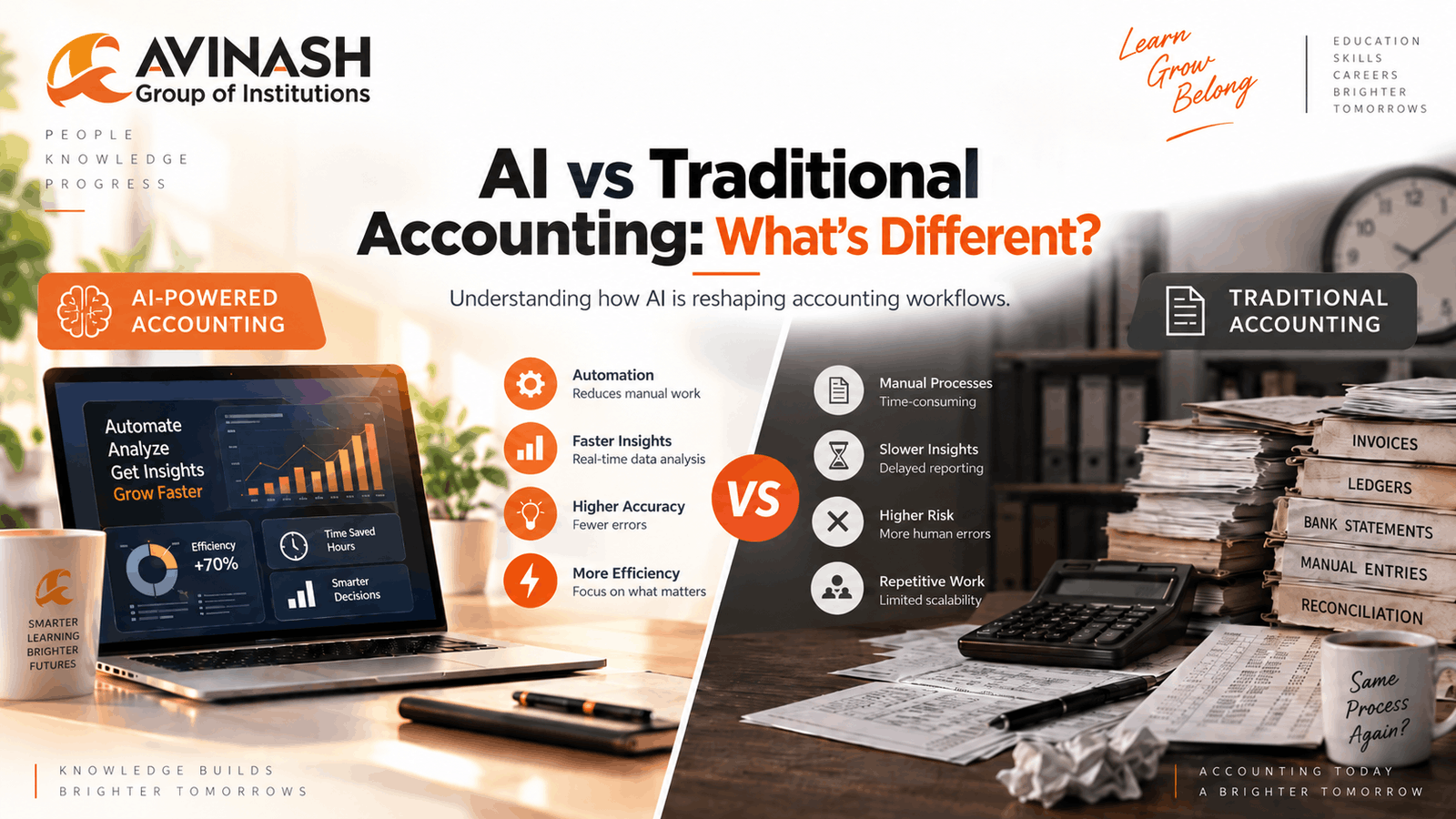

Finance and accounting are among the most sought-after fields for graduates looking to build a stable and rewarding career. With the global economy constantly evolving, these fields offer diverse career opportunities across industries. Graduates with a degree in finance or accounting can explore several career paths based on their interests, skills, and long-term goals. This blog explores the best finance and accounting career options after graduation.
1. Chartered Accountant (CA)
Becoming a Chartered Accountant is one of the most respected and rewarding career choices in finance and accounting. CAs are experts in financial management, auditing, taxation, and regulatory compliance. They play a crucial role in helping businesses manage their finances efficiently. The journey to becoming a CA requires dedication and passing a series of challenging exams. However, the effort is worth it, as CAs are in demand across sectors, including corporate firms, public sector organisations, and private practice.
2. Certified Management Accountant (CMA)
The Certified Management Accountant (CMA) qualification focuses on financial planning, analysis, control, and decision support. CMAs are equipped to handle strategic financial management roles in companies worldwide. This certification is recognised internationally, making it an excellent option for those aiming for global career opportunities.
3. Financial Analyst
Financial analysts are responsible for evaluating financial data, assessing investment opportunities, and providing recommendations to businesses and individuals. They play a key role in helping companies make informed financial decisions. Financial analysts can work in banks, investment firms, corporate finance departments, and consulting firms.
4. Investment Banker
Investment banking is one of the most lucrative finance career paths. Investment bankers assist companies in raising capital, managing mergers and acquisitions, and providing strategic financial advice. The role requires strong analytical skills, financial expertise, and excellent communication abilities. While the work can be demanding, the financial rewards and growth opportunities are significant.
5. Auditor
Auditors ensure the accuracy and compliance of a company’s financial statements. They review financial records, identify discrepancies, and recommend improvements to financial systems and controls. Auditors can work internally within a company or externally as part of an auditing firm. This role is critical for maintaining transparency and trust in financial reporting.
6. Tax Consultant
Tax consultants specialise in tax planning, compliance, and advisory services. They assist individuals and businesses in understanding tax laws, filing returns, and minimising tax liabilities legally. Tax consultants are in demand throughout the year, especially during tax seasons, making this a stable career option.
7. Cost Accountant
Cost accountants focus on budgeting, cost control, and performance evaluation. They help businesses optimise their operational costs and improve profitability. Cost accountants play a crucial role in industries such as manufacturing, retail, and logistics, where cost management is essential.
8. Financial Planner
Financial planners assist individuals in managing their finances and achieving their financial goals. They provide advice on investments, savings, retirement planning, and insurance. This career is ideal for those who enjoy working with people and helping them secure their financial future.
9. Risk Analyst
Risk analysts identify and assess potential financial risks faced by businesses. They provide strategies to mitigate risks and ensure financial stability. This role is crucial in sectors such as banking, insurance, and investment management, where risk management is a top priority.
10. Corporate Finance Professional
Corporate finance professionals work within companies to manage financial planning, capital structuring, and investment decisions. They focus on optimising a company’s financial performance and ensuring sustainable growth. This role often involves strategic decision-making and close collaboration with senior management.
11. Accountant
Accountants manage day-to-day financial operations, prepare financial statements, and ensure compliance with financial regulations. This role is essential for businesses of all sizes, making accountants one of the most in-demand professionals globally.
12. Finance Manager
Finance managers oversee the financial health of an organisation. They handle budgeting, forecasting, and financial reporting while ensuring alignment with business objectives. Finance managers play a key role in strategic planning and decision-making processes.
13. Stockbroker
Stockbrokers buy and sell securities on behalf of clients, providing advice on investment strategies and market trends. This career requires a strong understanding of financial markets and excellent analytical skills. Stockbrokers can work for brokerage firms, investment banks, or independently.
14. Treasury Analyst
Treasury analysts manage a company’s liquidity, cash flow, and financial risk. They ensure that the organisation has enough funds to meet its obligations while optimising financial resources. Treasury analysts are in demand in large corporations and financial institutions.
15. Entrepreneur in Finance and Accounting
For those with an entrepreneurial spirit, starting a financial consultancy or accounting firm is a great option. With the growing demand for financial services, entrepreneurs in finance can build successful businesses by offering specialised services like tax consultancy, investment advisory, and auditing.
Skills Required for Finance and Accounting Careers
To excel in finance and accounting careers, graduates must develop specific skills, including:
- Strong analytical and problem-solving abilities
- Attention to detail
- Proficiency in financial software and tools
- Effective communication skills
- Ethical and professional conduct
- Time management and organisational skills
Why Choose a Career in Finance and Accounting?
- High demand for skilled professionals
- Competitive salaries and benefits
- Opportunities for global careers
- Diverse career paths and growth potential
- Job security and stability
Conclusion
Finance and accounting careers offer diverse opportunities for graduates looking to build a successful professional life. Whether you choose to become a CA, CMA, financial analyst, or tax consultant, each path comes with its rewards and challenges. With the right education, skills, and guidance, you can achieve your career goals in this dynamic field.
At Avinash College of Commerce (ACC), we are dedicated to preparing students for thriving careers in finance and accounting. Our specialised programs are designed to bridge the gap between academic knowledge and industry requirements. With experienced faculty, practical training, and a focus on skill development, ACC ensures that every student is ready to excel in their chosen career path. Choose ACC and step into a future filled with opportunities in finance and accounting.